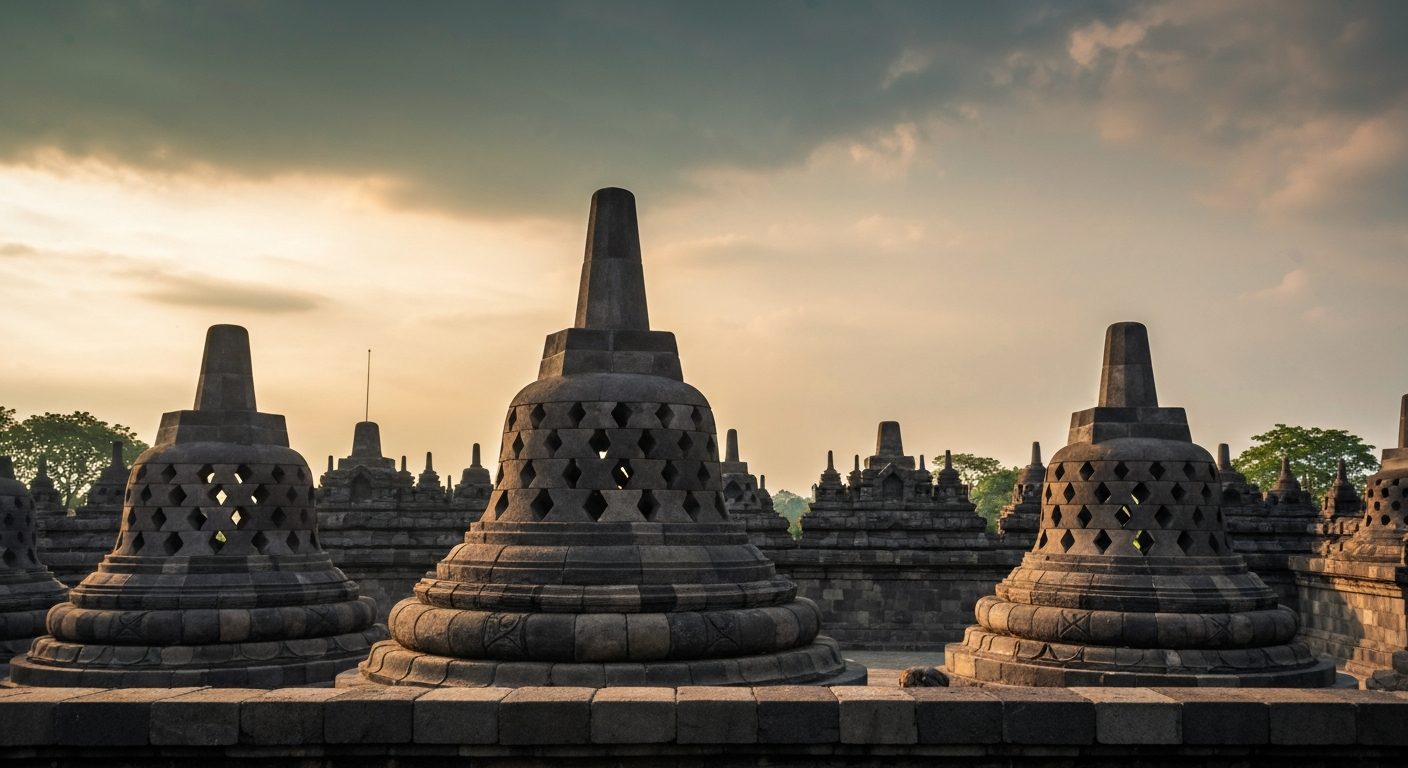
Planning a trip to Borobudur means understanding the local climate, specifically the Borobudur weather rainy season dry season patterns, which dictate everything from your sunrise view potential to the crowds you’ll encounter. Borobudur, located in tropical Central Java, Indonesia, experiences two primary seasons: a distinct dry season from May to September and a wetter rainy season typically from November to March.
Understanding these seasonal shifts, alongside key cultural events like Vesak Day and Eid al-Fitr, is crucial for setting expectations and ensuring your visit to this magnificent temple complex is as comfortable and rewarding as possible. We’re here to help you navigate these factors, offering transparent insights into what you can expect month by month.
Borobudur’s Climate: An Overview of Dry vs. Rainy Season
Borobudur’s climate follows a classic tropical pattern, dominated by monsoons that bring clear skies for several months and then consistent rainfall for others. This cycle significantly impacts the visitor experience, especially for those hoping to catch the iconic Borobudur sunrise.
The general rhythm is straightforward:
- Dry Season: May to September.
- Rainy Season: November to March.
- Transition Months: April and October often serve as transitional periods, bridging the gap between the two main seasons.
Each season offers a different Borobudur visit experience. The dry season is popular for its clearer skies and more predictable weather, while the rainy season brings lush landscapes and fewer crowds, albeit with a higher chance of rain.
Borobudur Dry Season: May to September
The Borobudur dry season, running from May through September, is generally considered the most popular time to visit. During these months, you can typically expect lower humidity, cooler mornings, and significantly less rainfall, making it ideal for outdoor activities like exploring the temple complex and, most importantly, enjoying a Borobudur sunrise tour.
Key characteristics of the dry season:
- Clearer Skies: The likelihood of unobstructed sunrise views is highest. Mornings often begin crisp and clear, providing excellent visibility across the surrounding plains and volcanoes.
- Lower Humidity: Days feel more comfortable, reducing the intensity of the tropical heat as you ascend the temple’s nine levels.
- Less Rain: While occasional brief showers can still occur, prolonged downpours are rare. Most days are sunny and bright.
- Increased Crowds: Given the favorable weather, this period naturally attracts more visitors, both domestic and international. Planning ahead for temple access and tour bookings is particularly important.
For those specifically interested in the Borobudur dry season May June September, these months offer some of the best weather conditions. May and June often strike a balance between good weather and slightly fewer crowds than the peak summer months of July and August. September maintains excellent weather while seeing a slight dip in visitor numbers as European summer holidays conclude.
Borobudur Rainy Season: November to March
The Borobudur rainy season, from November to March, offers a different, often more serene, experience. While rain is a daily possibility, it rarely rains all day. Typically, mornings can be clear, with showers developing in the afternoon, sometimes heavy but often short-lived.
Key characteristics of the rainy season:
- Lush Landscapes: The surrounding rice fields and forests are vibrant green, a beautiful contrast to the ancient stone of the temple.
- Higher Humidity: The air feels heavier and warmer.
- Frequent Showers: Expect afternoon rain. These can range from light drizzles to heavy downpours. Carrying an umbrella or rain jacket is essential.
- Fewer Crowds: Generally, there are fewer international tourists during this period, which can mean a more peaceful visit. However, local holidays can still bring spikes.
- Sunrise Impact: While sunrise tours still operate, the chances of a completely clear sky are lower. Clouds and mist are more common, which can obscure distant views but also create a dramatic, atmospheric experience.
A Borobudur rainy season November March visit experience means embracing flexibility. Early mornings are often your best bet for drier conditions and potential sunrise views, even if they are more likely to be partially obscured. The lushness of the landscape, however, is a unique reward during these months.
Transition Months: April and October
April and October act as transitional months, offering a mix of both seasons.
- April: Moves from the rainy season towards the dry. Rainfall decreases, and temperatures begin to rise. It can be a good shoulder month, offering decent weather before the peak dry season crowds.
- October: Transitions from the dry season into the rainy season. While still largely pleasant, the frequency of afternoon showers starts to increase, and humidity begins to climb.
These months can sometimes offer a sweet spot with good weather and fewer crowds than the peak dry season, but they also carry a higher degree of unpredictability.
Borobudur Weather Month-by-Month Breakdown
To help you pinpoint the best time to visit Borobudur weather-wise, here’s a detailed month-by-month guide, considering both climate patterns and general crowd levels. This information is based on historical averages; always check a live Borobudur weather forecast 2026 closer to your travel dates.
- January (Rainy Season)
- Typically one of the wettest months. Expect frequent afternoon rains. Mornings can be clear but often cloudy. High humidity. Fewer international crowds, but watch out for New Year’s or local holiday spikes.
- February (Rainy Season)
- Similar to January, with consistent rainfall, particularly in the afternoons. The landscape is incredibly green. Lower international tourist numbers make for a more tranquil experience if you don’t mind the rain.
- March (Rainy Season / Transition)
- Still firmly in the rainy season, but towards the end. Rain might start to lessen slightly by late March. Humidity remains high. Good for experiencing the temple without large crowds.
- April (Transition)
- A transitional month. Rainfall decreases, and days become increasingly sunnier. Temperatures rise. This can be an excellent shoulder month to visit, though domestic crowds for Easter or pre-Eid holidays can occur.
- May (Dry Season)
- The start of the dry season. Weather is generally excellent with clear skies and lower humidity. Ideal for sunrise tours. Crowds begin to pick up. Be mindful of Vesak Day, which often falls in May or June and dramatically impacts access.
- June (Dry Season)
- Reliably dry and sunny. Excellent weather for exploring. Moderate crowds, making it a strong contender for the best month for Borobudur sunrise tour weather conditions. Vesak can also fall in June.
- July (Dry Season)
- Peak dry season. Very clear skies, ideal for photography and sunrise. This is also peak tourist season, meaning higher crowds and potentially higher prices. Book well in advance.
- August (Dry Season)
- Continues the trend of excellent, dry weather. One of the busiest months due to summer holidays. Expect large crowds, especially at sunrise. Independent travel requires careful planning for accommodation and tours.
- September (Dry Season)
- Still a fantastic dry month with clear skies and pleasant temperatures. Crowds start to thin slightly after the peak August rush, making it an appealing option for those seeking good weather with a bit more breathing room.
- October (Transition)
- A transitional month as the rainy season approaches. The weather is still generally good, but afternoon showers become more frequent towards the end of the month. Humidity starts to rise. Can be a good balance of weather and fewer crowds.
- November (Rainy Season)
- The official start of the rainy season. Expect more regular afternoon rainfall and higher humidity. Mornings can still be clear but are less predictable. The landscape becomes very green. Crowds are typically lower.
- December (Rainy Season)
- Consistent rainfall, often heavy. Despite the rain, the festive season (Christmas/New Year) can bring localized crowd spikes. Visibility for sunrise is often limited by clouds or mist. A visit during this time focuses more on the temple itself rather than sweeping views.
Special Events & Crowds: Beyond the Weather
While the borobudur weather rainy season dry season cycle is a primary consideration, two major annual events significantly impact visitor numbers and temple access, regardless of the climate: Vesak Day (Waisak Ceremony) and Eid al-Fitr (Lebaran). Missing these or planning around them can make or break your Borobudur experience.
Borobudur Vesak Day (Waisak Ceremony)
Vesak Day, known locally as Waisak, is the most important Buddhist holiday, commemorating the birth, enlightenment, and passing of Gautama Buddha. Borobudur becomes the focal point of Indonesia’s Buddhist community, drawing thousands of monks and pilgrims from across the globe.
- When it happens: Vesak is celebrated on the full moon in May or June, according to the Buddhist lunar calendar. The exact Gregorian date shifts each year. For instance, the Borobudur Vesak Day Waisak Ceremony 2026 date will be announced closer to the time. It’s crucial to confirm the specific date for your planned year of travel.
- Impact on your visit:
- Immense Crowds: The temple complex and surrounding areas become extremely crowded with pilgrims, devotees, and spectators.
- Restricted Access: During the main ceremony, usually in the evening and overnight, public access to the temple terraces is severely restricted or entirely closed off. This is to facilitate the solemn procession and rituals of the monks. If your goal is to climb the temple during these specific hours, you will likely be disappointed.
- Unique Atmosphere: For those interested in witnessing a profound cultural and religious event, being in the vicinity during Vesak can be a powerful experience, even if it means sacrificing direct temple access. The air fills with prayer, chanting, and a palpable sense of devotion.
If your primary goal is a peaceful exploration of the temple or an unobstructed sunrise view, it is generally best to avoid the few days immediately surrounding Vesak. If you wish to observe the ceremony, plan to stay in the area for several days, expect heavy crowds, and be prepared for significant logistical challenges. Our Bali Premium Trip reservations team can advise on typical access restrictions during this period.
Eid al-Fitr (Lebaran) Crowds
Eid al-Fitr, or Lebaran as it’s known in Indonesia, marks the end of the Islamic holy month of Ramadan. This is the biggest national holiday in Indonesia, and it triggers a massive domestic exodus (known as mudik) as millions travel to their hometowns. Borobudur, as a significant cultural landmark, becomes a major destination for domestic tourists.
- When it happens: The dates for Eid al-Fitr shift annually based on the Islamic lunar calendar. It can fall in any season.
- Impact on your visit:
- Overwhelming Crowds: This is arguably the busiest time to visit Borobudur in terms of sheer numbers. The temple can be packed shoulder-to-shoulder, making it difficult to move freely, take photos, or appreciate the carvings.
- Traffic Congestion: Roads leading to Borobudur, especially from Yogyakarta, experience severe traffic jams. Travel times can quadruple.
- Accommodation & Tour Availability: Hotels and tours are often fully booked and prices may be higher.
- When to avoid Borobudur Eid Lebaran crowds: Generally, the week before, during, and the week after the official Eid holiday dates are periods to avoid if you prefer a less crowded experience.
If your travel plans coincide with Eid, be prepared for a vastly different experience. Patience is paramount, and booking all elements of your trip well in advance is non-negotiable. Our Bali Premium Trip team can help you navigate these dates.
The “Best Month” for Borobudur: Finding the Overlap
So, when exactly is the best time to visit Borobudur weather-wise, considering both climate and crowds? The “best month” for a Borobudur sunrise tour weather conditions is a sweet spot where you have a high probability of clear morning skies, manageable heat, and relatively low crowds.
Based on these factors, here’s our honest assessment:
- May, June, and September are generally the strongest contenders.
- May: Marks the start of the dry season with increasingly clear skies. Crowds are present but not yet at their absolute peak like July/August. The main caveat is checking the Vesak Day date, which can fall in May.
- June: Offers consistently excellent dry weather with clear mornings. Crowds are moderate before the major summer holiday rush. If Vesak falls in May, June is often ideal.
- September: Still enjoys excellent dry season weather. The intense summer crowds of July and August begin to dissipate, offering a more relaxed experience while retaining superb weather for sunrise views.
These months provide the highest chance of that clear, unobstructed view of the sun rising over the distant volcanoes, illuminating Borobudur’s stupas, without the shoulder-to-shoulder crowds of peak season or the unpredictability of the rainy months.
Planning Your Borobudur Tour: Practicalities & Transparency
Regardless of when you choose to visit, proper planning makes all the difference. Borobudur is a vast, open-air site, and while it’s possible to visit independently, a well-arranged tour can enhance your experience, especially for sunrise.
Key considerations:
- Sunrise Tours: These typically involve a very early start (pick-up around 3:30-4:00 AM from Yogyakarta) to reach the temple before dawn. The experience of seeing the sun climb above the mist-shrouded plains is truly special.
- Temple Access: General admission to Borobudur allows access to the temple grounds. For an additional fee, you can purchase a climbing ticket that permits you to ascend the monument itself, up to its circular terraces and central stupa. Quotas apply to climbing tickets to protect the monument. These climbing tickets, last verified June 2026, typically cost around US$20-50 per person for foreign tourists, in addition to the standard entrance fee. This price can vary seasonally and is separate from our tour pricing.
- Licensed Guides: To truly understand Borobudur’s rich history, intricate carvings, and Buddhist symbolism, a licensed local guide is invaluable. They can offer context that enhances your appreciation of the site. Our tours always include experienced, licensed on-ground guides.
- Transfers: Getting to Borobudur, especially from Bali, requires careful planning. Most visitors fly from Bali (Denpasar – DPS) to Yogyakarta (YIA), then arrange ground transport. From Yogyakarta, Borobudur is about a 40-kilometer (25-mile) drive, taking roughly 1 to 1.5 hours depending on traffic. Private transfers ensure comfort and punctuality for early morning starts.
Pricing Transparency: What to Expect
As Damar Pratomo, Tickets, Pricing & Logistics Analyst at Borobudur Tour From Bali, I can tell you that costs for Borobudur tours vary significantly based on your starting point, duration, level of luxury, and inclusions.
- Private Day Tour from Yogyakarta: For a private day tour from Yogyakarta, including transfers, temple entrance, and a licensed guide, indicative prices (last verified June 2026) typically range from US$100-250 per person. This range depends on the vehicle type, whether sunrise access is included, and the specific guide arrangements.
- Luxury Private Multi-Day Trip from Bali: For a comprehensive, multi-day private Borobudur tour from Bali, which would include domestic flights to/from Yogyakarta, airport transfers, accommodation, private ground transport to Borobudur and other Central Java sites, all temple entrance fees (including climbing quota tickets where available), and licensed guides, indicative prices (last verified June 2026) could range from US$1,200-3,000 per person for a 3-5 day itinerary. This variability accounts for choice of hotels (boutique to 5-star), number of sites visited, and dining preferences.
These ranges are designed to give you an honest budget estimate. Actual quotes are always live and tailored to your specific travel dates and preferences. We arrange these services directly with our trusted, licensed local partners on the ground, ensuring fair pricing and reliable service.
For a custom quote and to discuss Borobudur weather rainy season dry season impacts on your specific travel dates and climbing ticket availability, we strongly recommend reaching out to our Bali Premium Trip reservations team. They have the most up-to-date information on quotas and seasonal pricing fluctuations.
Ready to plan your weather-smart private Borobudur tour? Plan your trip with our Bali Premium Trip reservations team for live quotes and quota availability. We’re also available via WhatsApp for quick questions and planning assistance.
Frequently Asked Questions About Borobudur Weather & Planning
When is the best time to visit Borobudur for clear sunrise views?
The borobudur dry season vs rainy season when to go for clear views points to May, June, and September. These months offer the highest probability of clear skies, lower humidity, and excellent visibility for sunrise over the distant volcanoes.
Does it rain all day during Borobudur’s rainy season?
No, typically not. During the Borobudur rainy season november march visit experience, rain usually comes in the form of afternoon showers, which can be heavy but often short-lived. Mornings can still be clear and suitable for temple visits, though clear sunrise views are less guaranteed due to clouds and mist.
How do I avoid crowds at Borobudur?
To avoid peak crowds, aim for the shoulder months (April, October) or the dry season months of May, June, or September, specifically avoiding major public holidays like Eid al-Fitr (Lebaran) and the immediate dates surrounding Vesak Day. Visiting early in the morning (outside of sunrise tours, if you’re not doing one) or later in the afternoon can also help.
Can I still visit Borobudur during Vesak Day?
You can be in the Borobudur area during Vesak Day, but public access to the temple’s upper levels is heavily restricted or closed during the main Waisak ceremony. If your primary goal is to climb the monument, it’s best to avoid the few days around the full moon date of Vesak. If you wish to witness the unique cultural event from a distance, be prepared for significant crowds.
What’s the difference between a Borobudur entrance ticket and a climbing ticket?
An entrance ticket grants you access to the Borobudur temple grounds. A separate climbing ticket, subject to a daily quota, is required to ascend the monument itself and explore its upper terraces. Due to conservation efforts, these climbing tickets are limited and must often be booked in advance. Our Bali Premium Trip reservations team can clarify current availability and booking procedures for these quota tickets.
Don’t let the weather or crowds catch you off guard. For personalized advice and to arrange your ideal Borobudur adventure, plan your trip with the Bali Premium Trip reservations team today. We’re here to make your journey from Bali to Borobudur seamless, informed, and truly honest.